



Network control gets described in terms of ownership, licenses, local manufacturing, or having a gateway inside the country. Those things matter, but they aren’t the core question.
In the satellite connectivity industry, multiple customers depend on the same network and capacity. The operator manages that network by deciding how shared capacity is allocated, even when demand exceeds supply. A contract provides customer protections and guarantees, but can't turn shared capacity into dedicated capacity. This is where dedicated networks become sovereignty.
Sovereignty, or operational sovereignty is defined by who manages the network. A dedicated network uses custom payload configuration and encryption, giving the customer authority over both their data and the policy the network runs on. By answering the following questions below, the customer knows who has true control of their network.
The Five Dimensions of Control
To figure out if you’ll have sovereign satellite service, ask:
- Where does my traffic go?
- Which traffic gets priority?
- What rules does the network follow?
- Where capacity and beams are allocated?
- Who controls the infrastructure, access, and encryption keys?
If the answer to any of these is "the provider," you have a service agreement, not a sovereign network.
Why Choose Sovereignty
With sovereignty, no other customer shares the same capacity. The network design and coverage area are defined by the customer before the satellite is built, rather than picked from whatever's already in orbit. Gateways and other ground systems can sit inside the country at customer-selected sites, so traffic lands locally. Routing, encryption keys, service policy, priorities, and approved coverage changes stay with the customer.
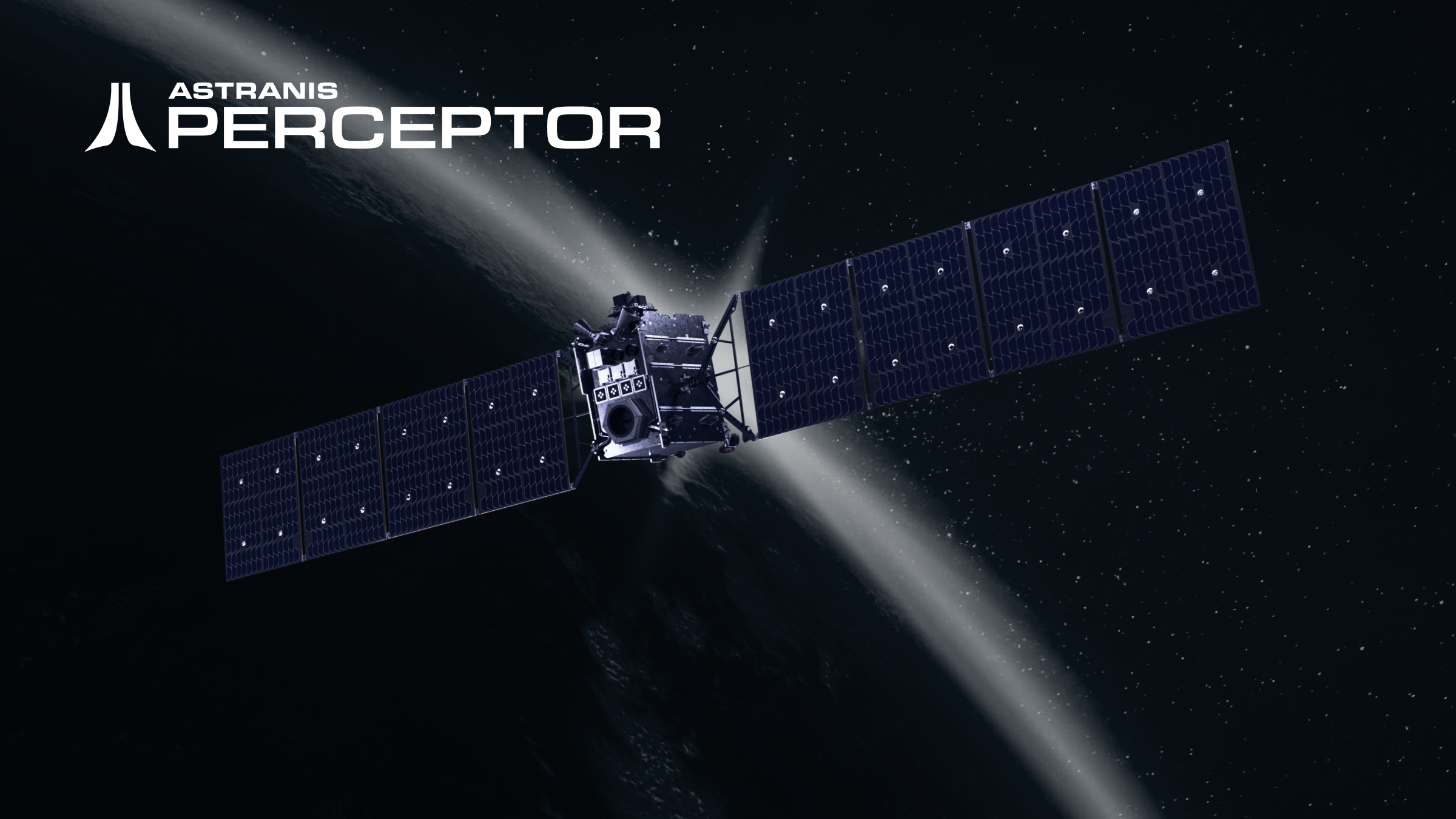
The split of responsibility is the same one governments already accept with sovereign cloud. The provider secures infrastructure "of the cloud," the customer secures their data and access "in the cloud." Astranis builds and operates everything of the spacecraft: command and control, station keeping, flight safety, spacecraft health and maintenance. The customer controls everything "in the satellite": traffic, encryption keys, routing, priorities, policy, and use of the payload within the agreed design.
Until recently, the only sovereign alternative to a shared network was a costly, long-lead national space program: procuring a satellite, building the ground segment, staffing flight operations. Now, a nation doesn't have to rely on a shared network because Astranis provides the satellite and operates it safely in orbit. The nation controls the network it depends on.
Controlling What Matters
No design removes every legal, regulatory, supply-chain, or geopolitical risk, including a fully national program. By limiting how much of the operating network sits within external reach, the customer keeps their authority over the decisions that matter most.
Shared capacity buys access to someone else's network. Astranis provides dedicated capacity for a network you control. We fly and safeguard the spacecraft. You define the network.
The five questions are the fastest way to tell a sovereign network from a shared service with a sovereignty label on it. Download the full framework to walk through all five in detail, plus how custody of infrastructure, access, and encryption keys actually gets divided between provider and customer. DOWNLOAD NOW
The higher you go, the fewer satellites you need
.png)

.png)
Get in touch.
For any media inquiries, reach out to us at pr@astranis.com or visit the media page. A press kit containing summary, logos, and images is also available for download.
